Home / Product Insights /

5. Flaxseed
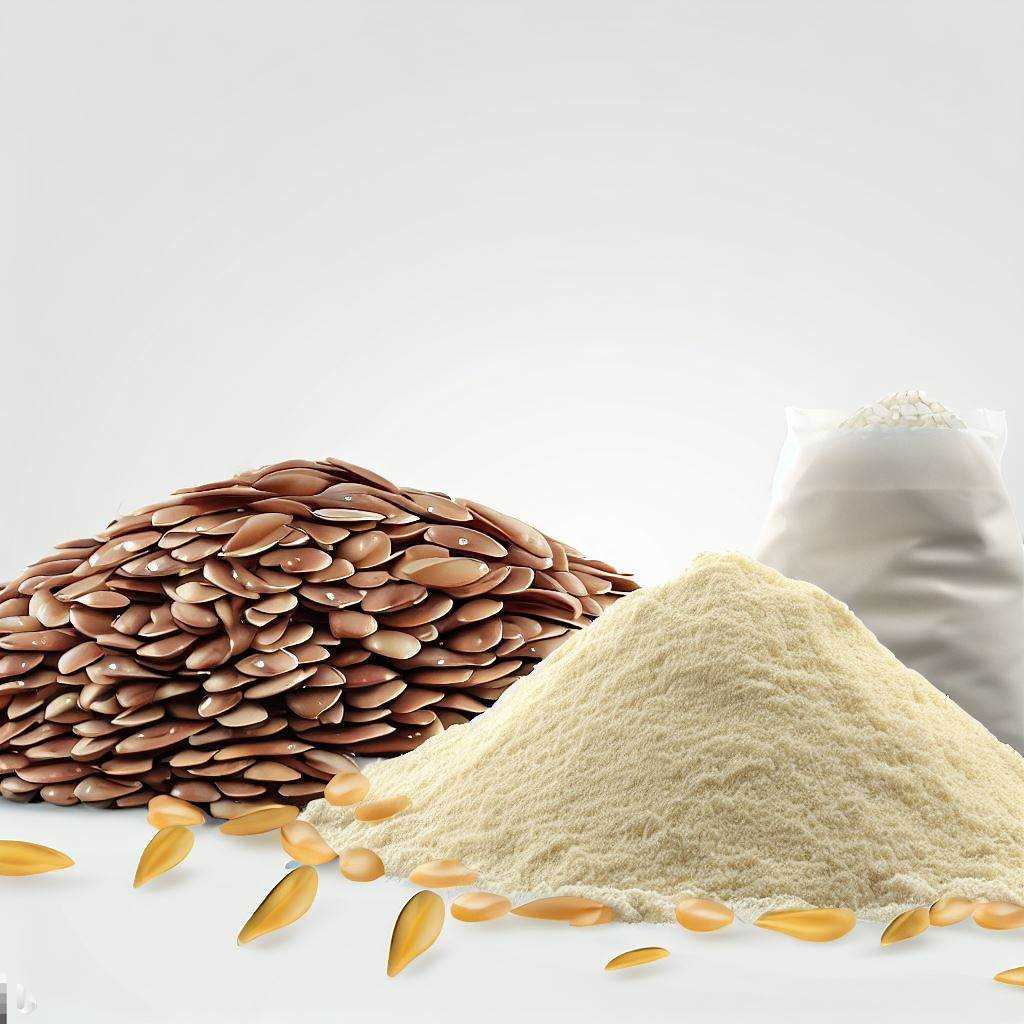 Flaxseed can be a beneficial addition to the diet for people with
diabetes due to its unique nutritional profile. Flaxseed has exceptional
abundant soluble and insoluble fiber, leading to better blood sugar
control and reduced post-meal spikes in blood glucose levels. Additionally,
as a prime plant source of alpha-linolenic acid (ALA), an omega-3 fatty acid,
flaxseed contributes to inflammation reduction and potential mitigation
of heart disease risk, a major concern for individuals managing diabetes.
Moreover, flaxseeds offer antioxidants in the form of lignans, which
might enhance insulin sensitivity and overall well-being, enhancing their
relevance in diabetes care.
Flaxseed can be a beneficial addition to the diet for people with
diabetes due to its unique nutritional profile. Flaxseed has exceptional
abundant soluble and insoluble fiber, leading to better blood sugar
control and reduced post-meal spikes in blood glucose levels. Additionally,
as a prime plant source of alpha-linolenic acid (ALA), an omega-3 fatty acid,
flaxseed contributes to inflammation reduction and potential mitigation
of heart disease risk, a major concern for individuals managing diabetes.
Moreover, flaxseeds offer antioxidants in the form of lignans, which
might enhance insulin sensitivity and overall well-being, enhancing their
relevance in diabetes care.
6. Simolina flour
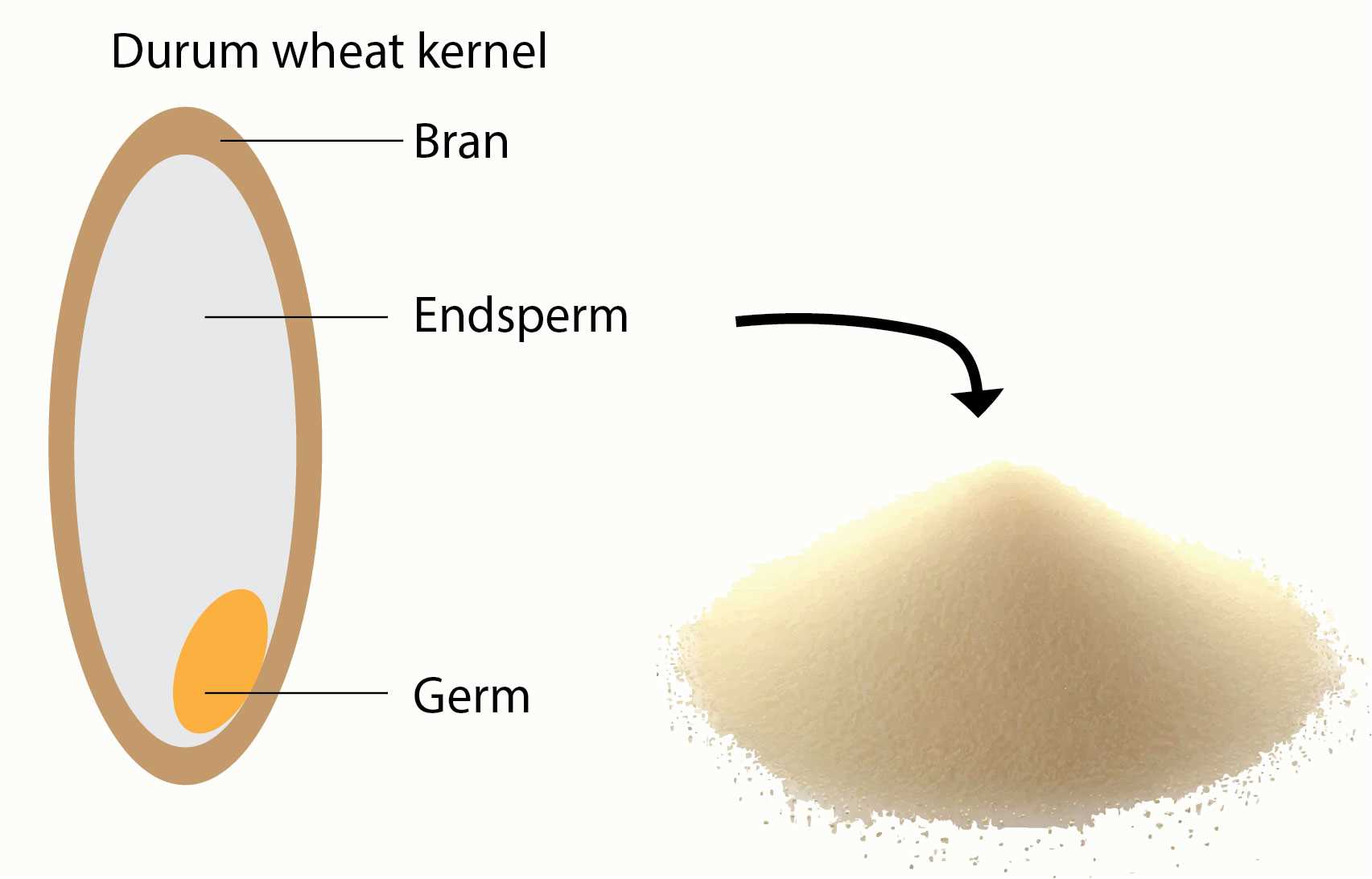 Semolina flour, derived from durum wheat, due to its higher glycemic index
and carbohydrate content, semolina may not be a suitable ingredient for
carb-conscious food. However, it's vital to understand that in our recipe,
semolina serves as a mindful inclusion, contributing to a well-balanced
ingredient composition essential for the comprehensive development of the
recipe. Its role, when incorporated thoughtfully, harmonizes with the overall
recipe objectives, ensuring that every component aligns for a product
that can meet nutritional goals while maintaining a delicious and satisfying
culinary experience.
Semolina flour, derived from durum wheat, due to its higher glycemic index
and carbohydrate content, semolina may not be a suitable ingredient for
carb-conscious food. However, it's vital to understand that in our recipe,
semolina serves as a mindful inclusion, contributing to a well-balanced
ingredient composition essential for the comprehensive development of the
recipe. Its role, when incorporated thoughtfully, harmonizes with the overall
recipe objectives, ensuring that every component aligns for a product
that can meet nutritional goals while maintaining a delicious and satisfying
culinary experience.
7. Wheat bran
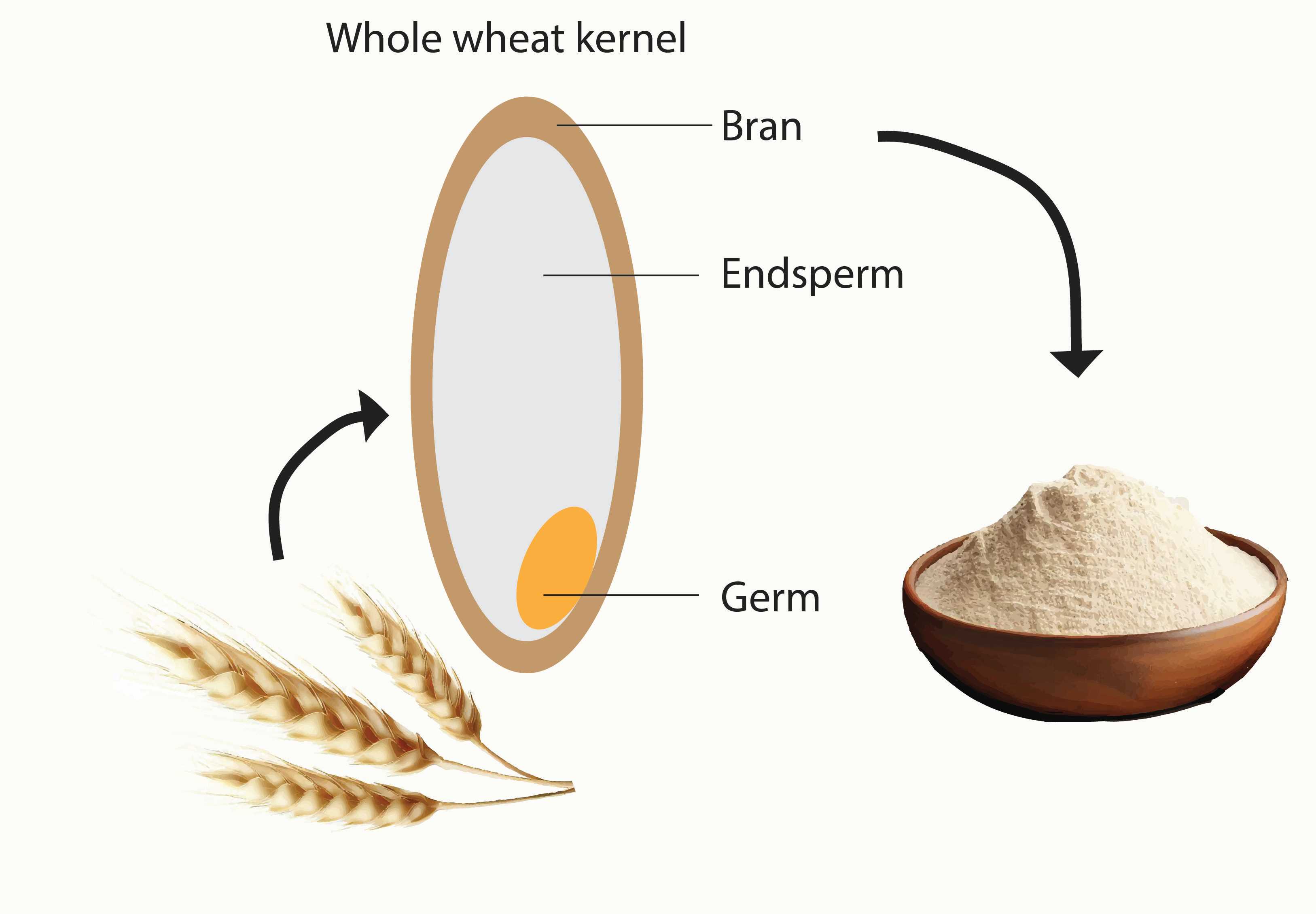 Wheat bran, the outer layer of the wheat kernel, is rich in insoluble fiber
that provides digestive health benefits like relieving constipation. It can
also slow sugar absorption into the bloodstream, aid weight management
through satiety, and support heart health. Additionally, wheat bran contains
essential nutrients including B vitamins, minerals like magnesium and zinc,
plus antioxidants. With its high fiber and nutrient content, wheat bran is
an excellent food for overall health.
Wheat bran, the outer layer of the wheat kernel, is rich in insoluble fiber
that provides digestive health benefits like relieving constipation. It can
also slow sugar absorption into the bloodstream, aid weight management
through satiety, and support heart health. Additionally, wheat bran contains
essential nutrients including B vitamins, minerals like magnesium and zinc,
plus antioxidants. With its high fiber and nutrient content, wheat bran is
an excellent food for overall health.
8. Oat fiber and psyllium husk fiber
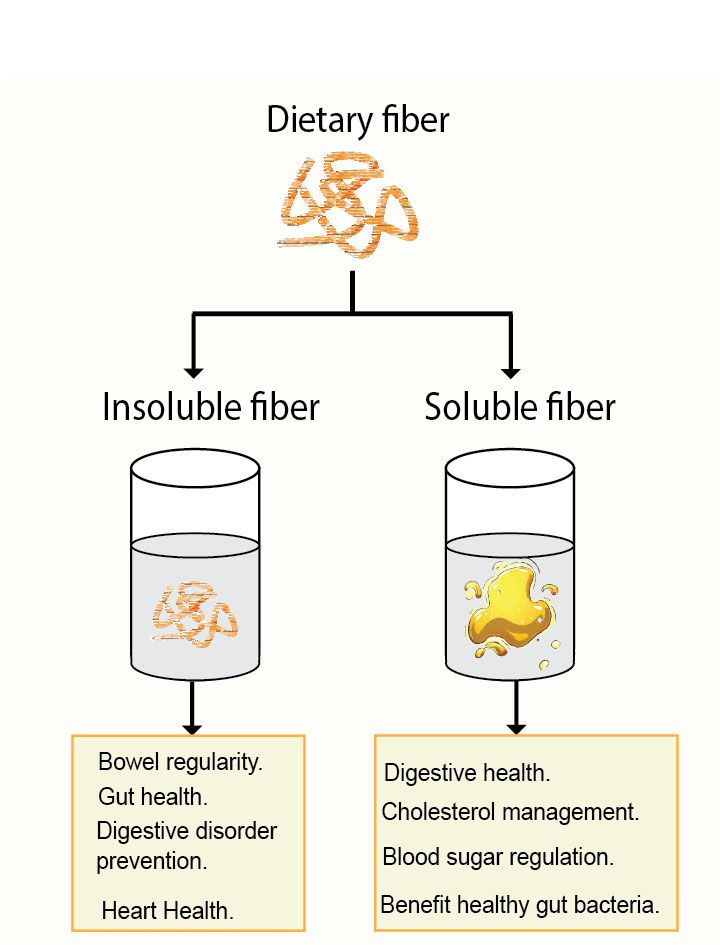 Oat fiber and psyllium husk fiber are dietary fibers with unique properties.
Oat fiber contains more insoluble fiber that promotes digestive health and
bowel regularity. Psyllium is predominantly soluble fiber that forms a gel
to soften stools. Key benefits of oat fiber include supporting weight
management through satiety, while psyllium is known for lowering cholesterol.
Oat fiber works well in baking, while psyllium is a thickening agent in
gluten-free recipes and fiber supplements. Both insoluble and soluble fiber
can improve blood sugar control through different mechanisms.
Oat fiber and psyllium husk fiber are dietary fibers with unique properties.
Oat fiber contains more insoluble fiber that promotes digestive health and
bowel regularity. Psyllium is predominantly soluble fiber that forms a gel
to soften stools. Key benefits of oat fiber include supporting weight
management through satiety, while psyllium is known for lowering cholesterol.
Oat fiber works well in baking, while psyllium is a thickening agent in
gluten-free recipes and fiber supplements. Both insoluble and soluble fiber
can improve blood sugar control through different mechanisms.